Humble Beginnings
Red's Miami did not begin as a ready-made brand or a polished shop. It began in Hialeah in the early 1980s with two friends who worked at a stereo shop during the day and built out of their own house at night. The day job built the audio and electrical side of the trade. The nights covered anything with wheels: mini bikes, go-karts, three-wheelers, cars, suspension, and custom wheel fitment. Each project created the knowledge and reputation that would support everything that followed.
Worldwide Recognition
In October 1989, the team built a car for the IASCA—International Auto Sound Challenge Association—World Finals in Arizona and won. Taking that stage brought the first major worldwide recognition and showed that work developed in Miami could stand beside the best in the industry.
Speaker Works
Speaker Works was incorporated in 1991. What began with car audio continued to expand into hydraulics, suspension, custom wheels, lowriders, and complete vehicle builds. One discipline kept leading naturally into the next.
Red's Comes to the East Coast
In October 1993, Red's Miami opened from a warehouse in Liberty City and officially established Red's on the East Coast. Red's Miami became the East Coast hub for California-based Red's Hydraulics, giving builders and shops in the region direct access to parts, systems, installation knowledge, and a team already deep in the culture.
The goal was never to serve only one neighborhood. Red's thought bigger and helped carry the lowrider movement—and the parts needed to build the cars—through Miami and across the East Coast.
1994: Full Throttle
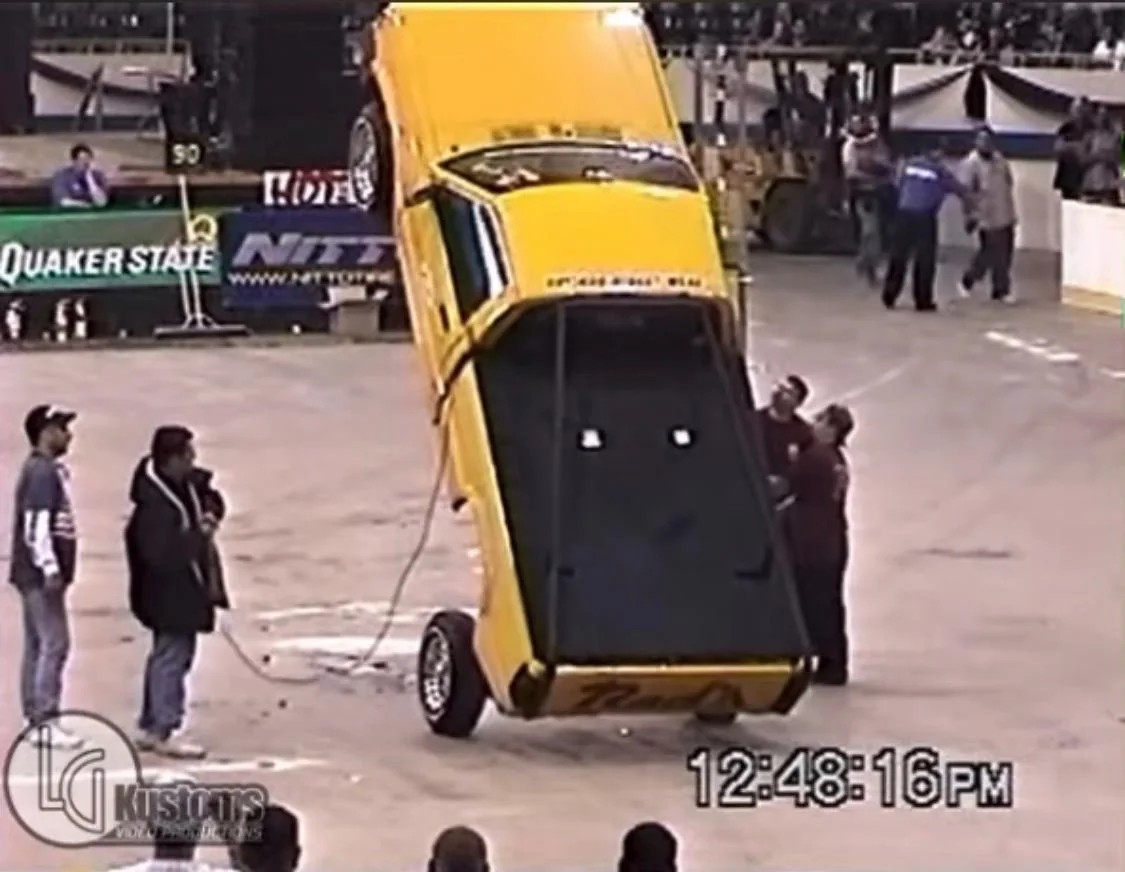
Early in 1994, Red's partnered with Lowrider magazine to bring the Lowrider tour to the East Coast. Red's handled local networking and groundwork and became the title sponsor. In June 1994, the partnership produced the first Lowrider show on the East Coast at the Tamiami Fairgrounds.
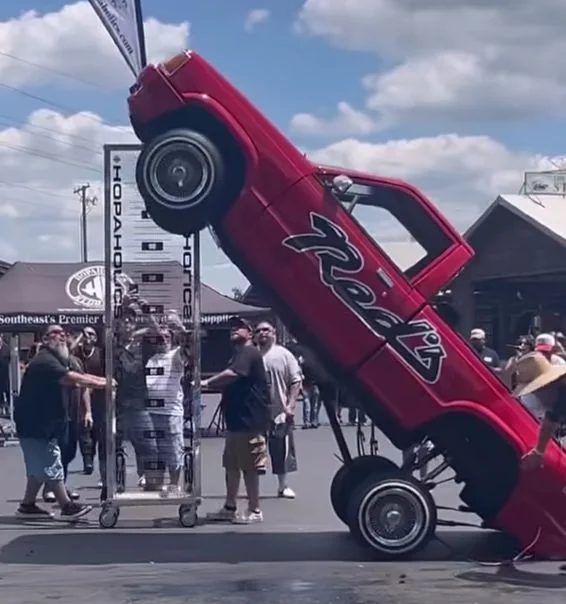
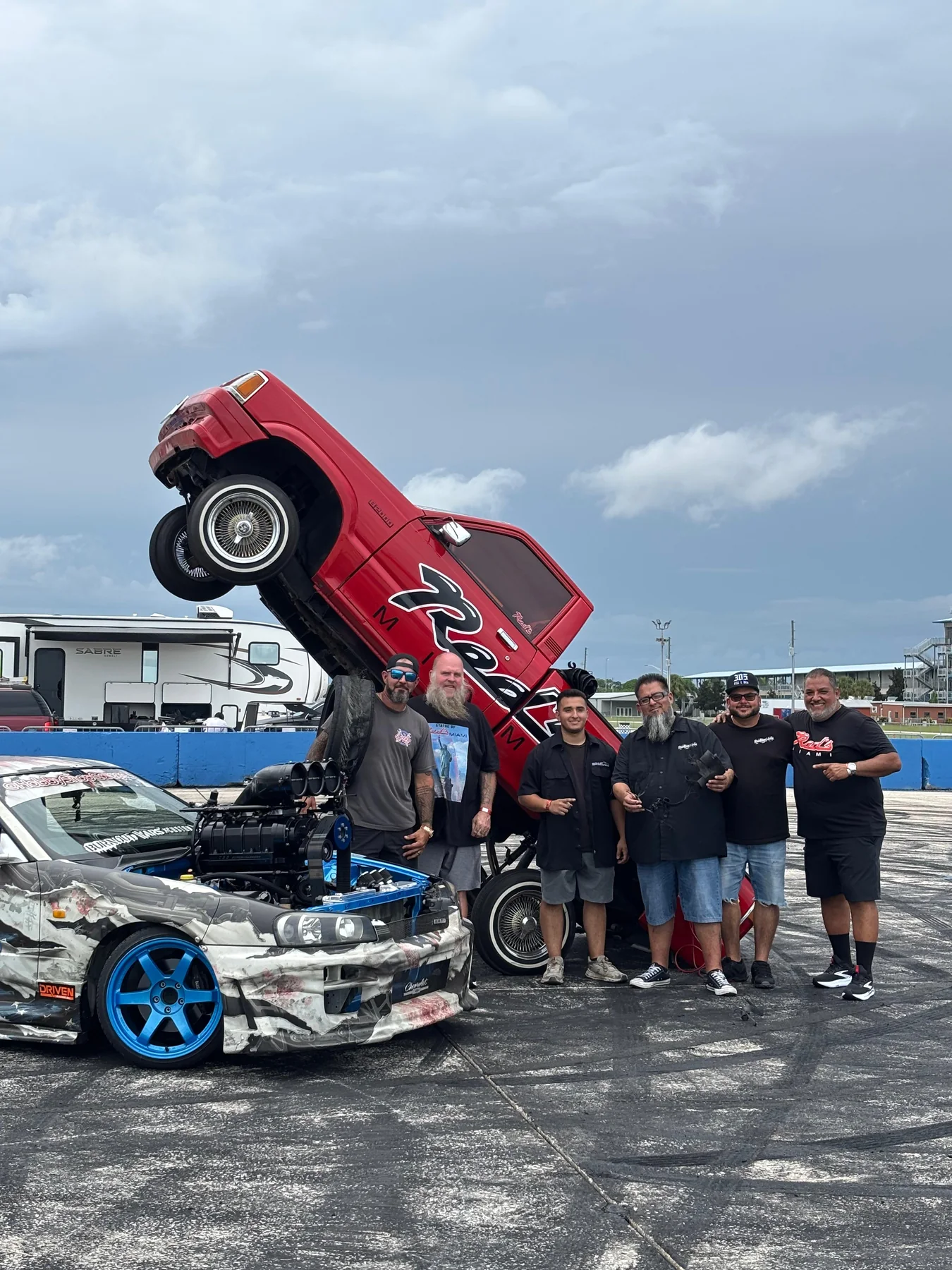
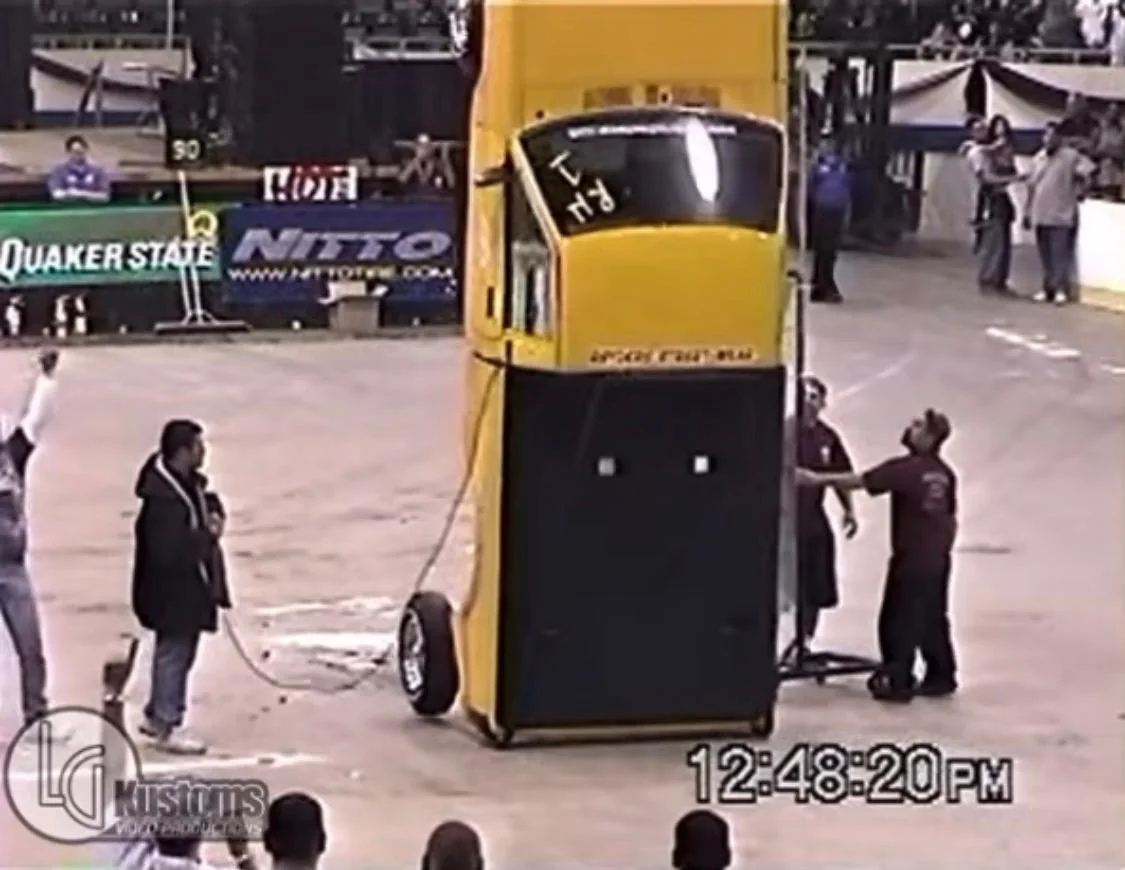
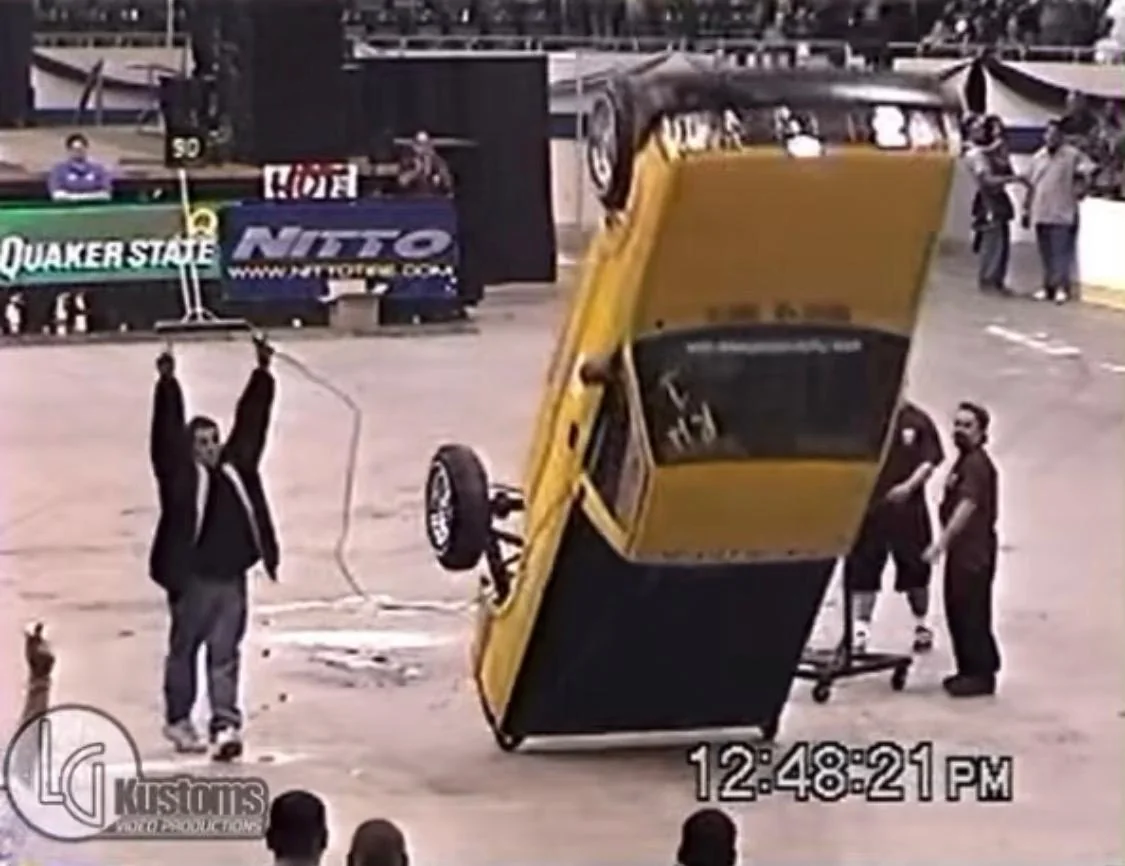
The shop was also solving problems that the aftermarket had not solved. Commercial air-ride kits did not fit many of the vehicles customers wanted to build, so Red's fabricated custom systems and hardware. In late 1994, Red's began manufacturing the piston pump and developed the chain bridge concept—a way to make a lowrider three-wheel without adding unnecessary weight—and the work was featured by Lowrider magazine.
Both developments came from the same instinct: when the aftermarket did not have the answer, Red's manufactured it.
An East Coast Supply Hub
Red's Miami became more than a retail and installation shop. From the Miami warehouse, hydraulic parts were distributed to builders and shops throughout the East Coast. Regional customers could receive parts faster and at a fraction of the freight cost of ordering from California, helping more shops complete serious hydraulic and suspension work.
Manufacturing Firsts and Championships
1997 was a breakout year on the manufacturing side. Red's built its first 8-to-10 and 10-to-10 wheel adapters, and in January 1997 produced the world's first “donk” on 20-inch wheels—a fitment nobody else was solving at the time.
The following year brought another first. In 1998, Red's built the world's first 22-inch dually wheels, and in January of that year completed the first donk on 20-inch wire wheels.
In 2001, Red's Miami won a Junkyard Wars championship—another public demonstration of the team's ability to design, improvise, and build under pressure.
In the summer of 2002, Red's built the world's first 24-inch dually wheels and began manufacturing custom truck parts, joining the sport-truck circuit and applying the same custom approach it had brought to lowriders.
By 2004, Red's was manufacturing suspension parts for trucks at greater scale. The manufacturing side grew from the same principle that shaped the early years: when an existing part did not solve the problem correctly, the shop developed the right solution.
Still Building
Red's Miami has operated from the current building at 7331 NW 27th Ave. since 1995. The tools, technology, and size of the projects have changed, but the approach has not: understand the vehicle, solve the real problem, and build something worthy of the customer's vision.
Red's is still here, still building, and taking on new projects. Call 305-696-9990 or visit the shop to start the conversation.